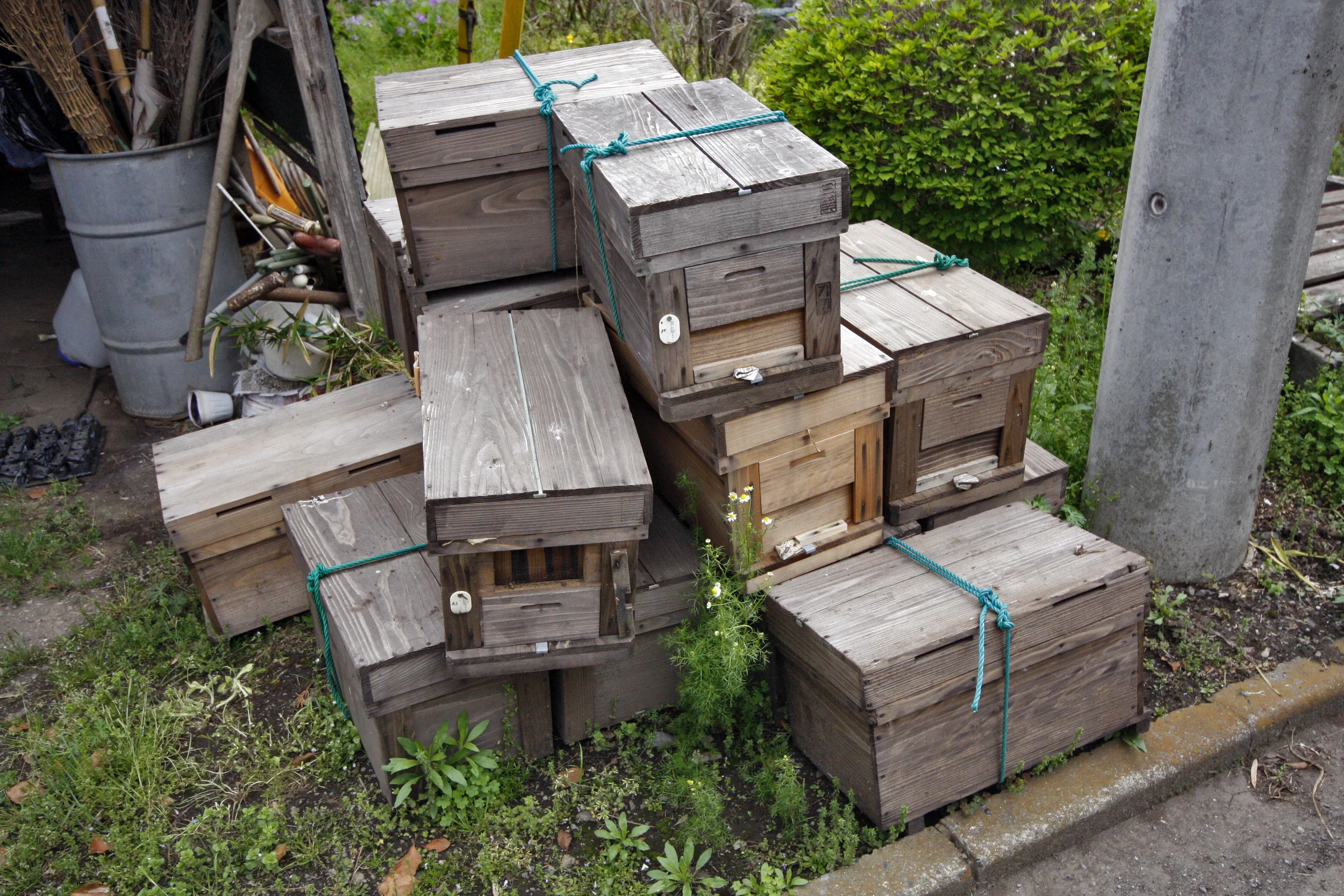
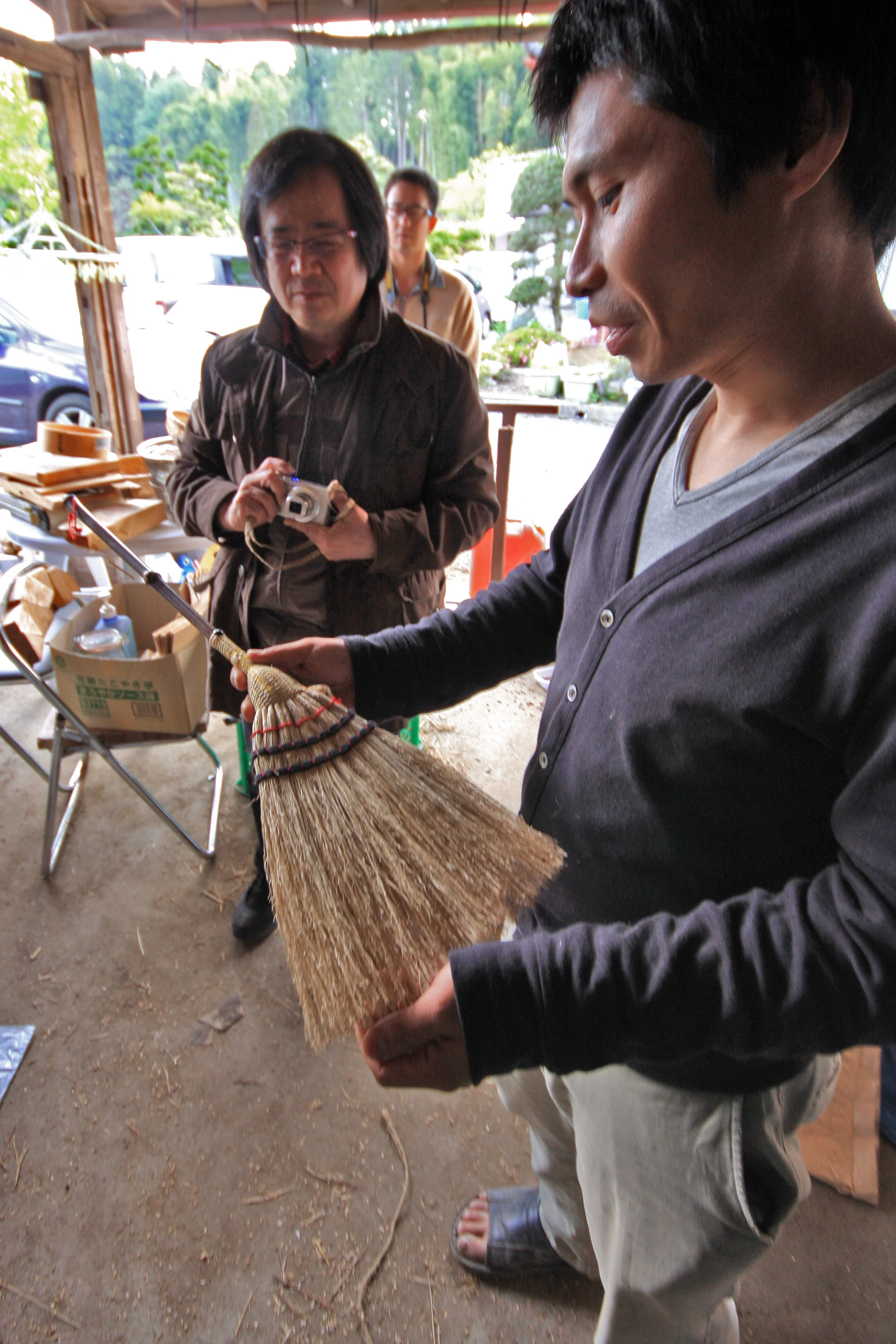
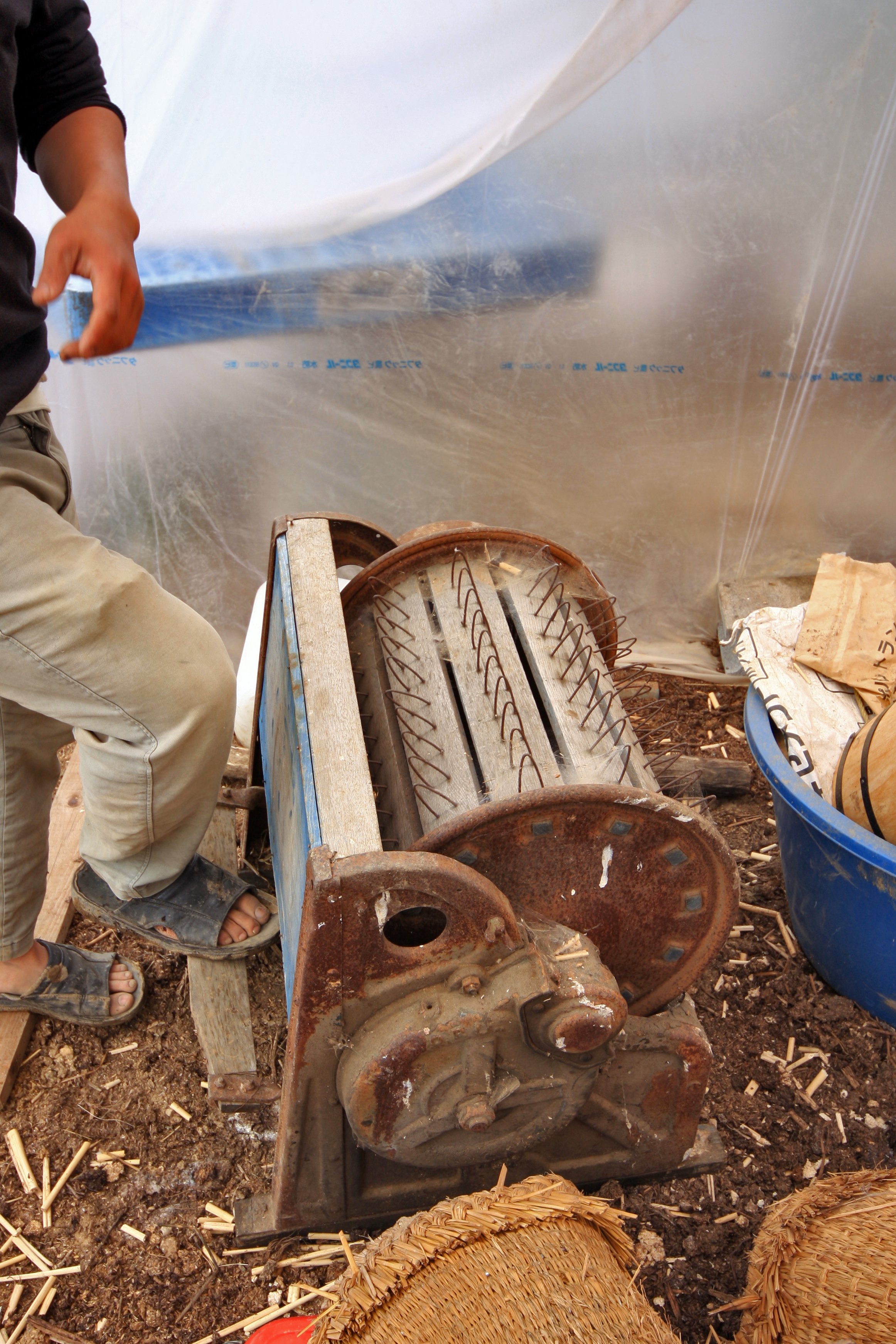
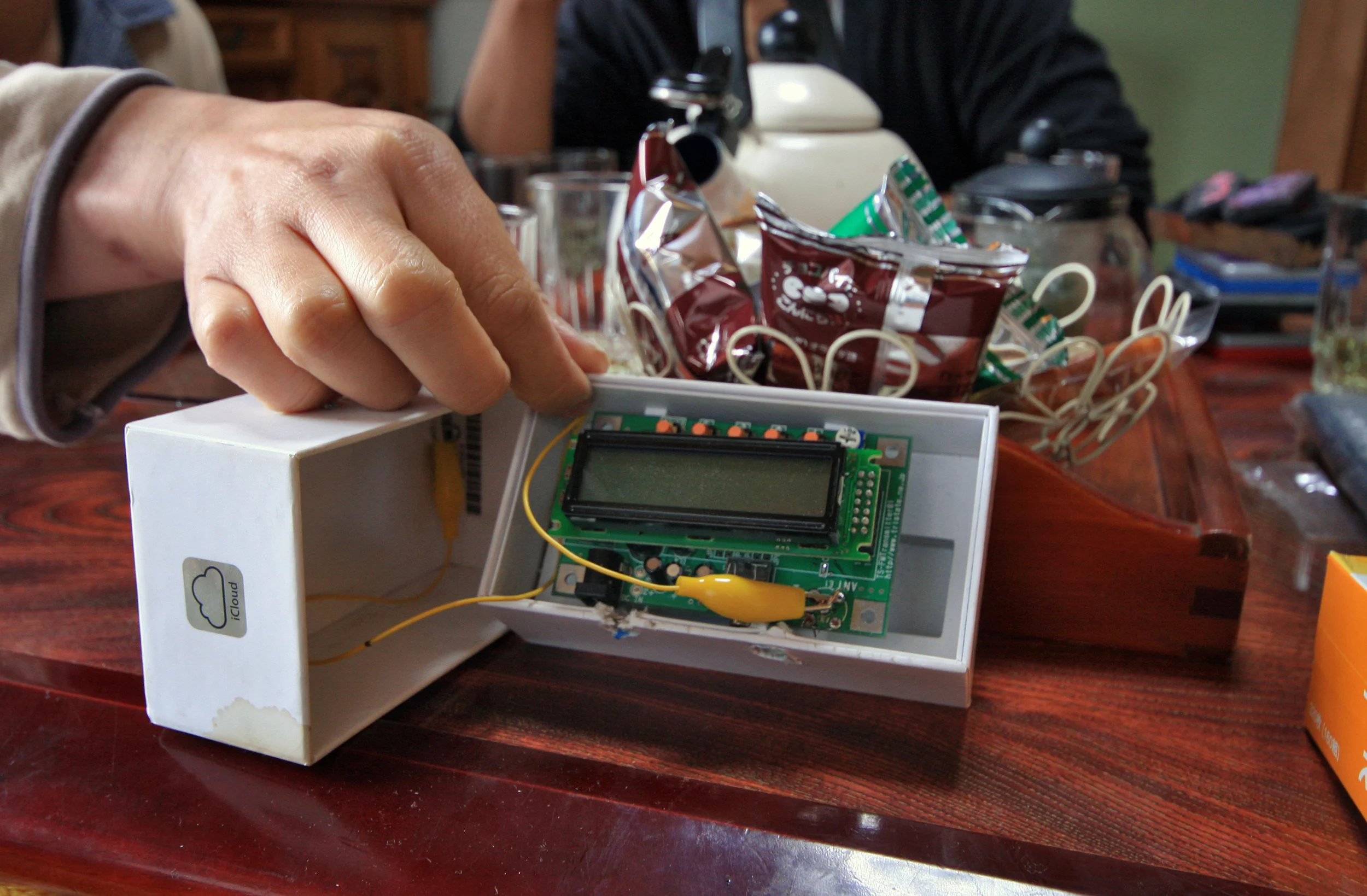
During the summer of 2014 I traveled to Fukushima, Japan. The focus of my research trip were to look at post-3/11 food systems within the context of what environmental theorist Rob Nixon describes as “Slow Violence” in his book Slow Violence and the Environmentalism of the Poor.
“Violence that occurs gradually and out of sight, a violence of delayed destruction that is dispersed across time and space, an attritional violence not viewed as violence at all.” [1]
Ultimately, my goal while in Japan was to produce a body of work consisting of photographs, critical writing, audio recordings, interviews, and performative meals, with the intention of presenting the social and environmental importance of Japan’s post-3/11 food systems.
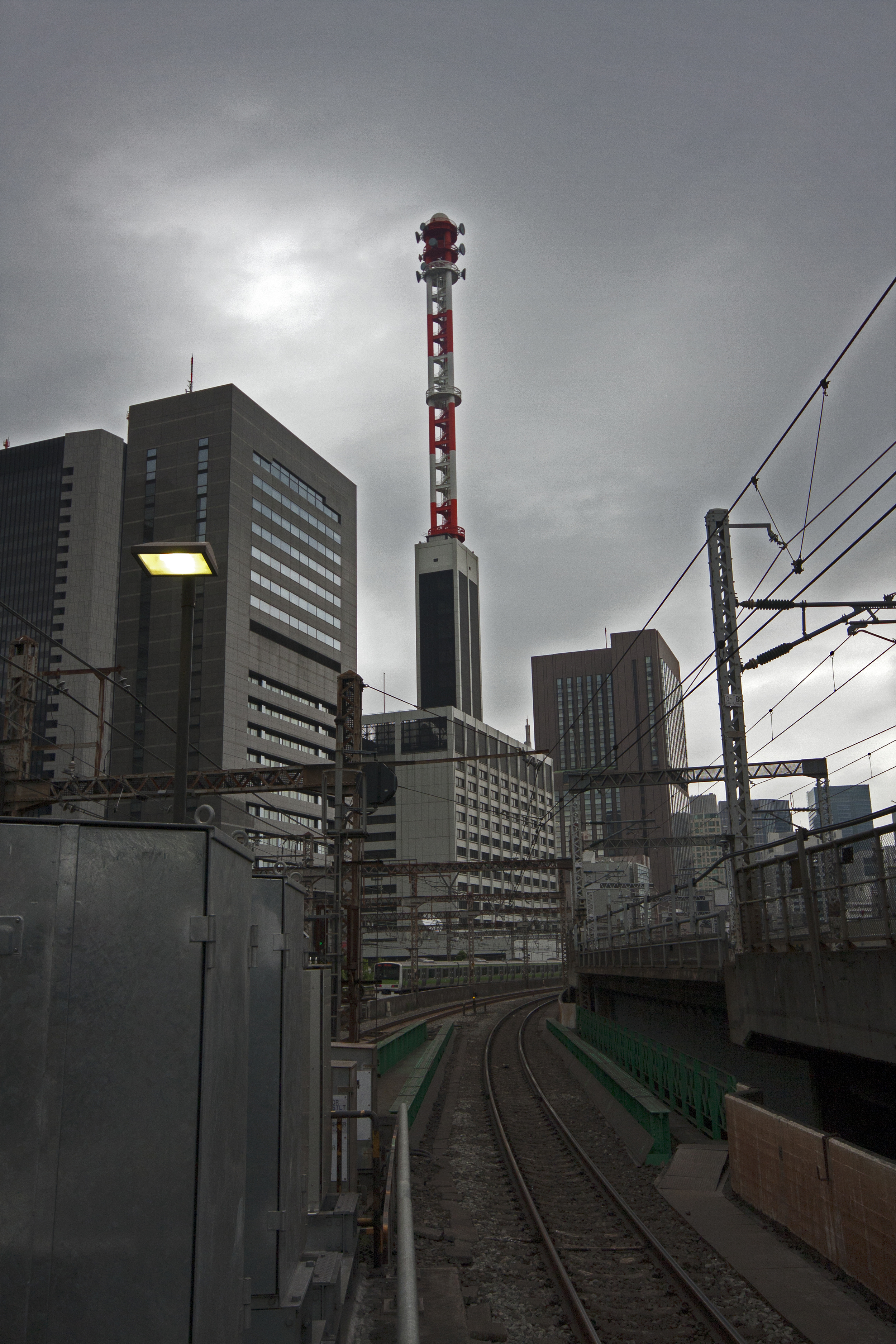
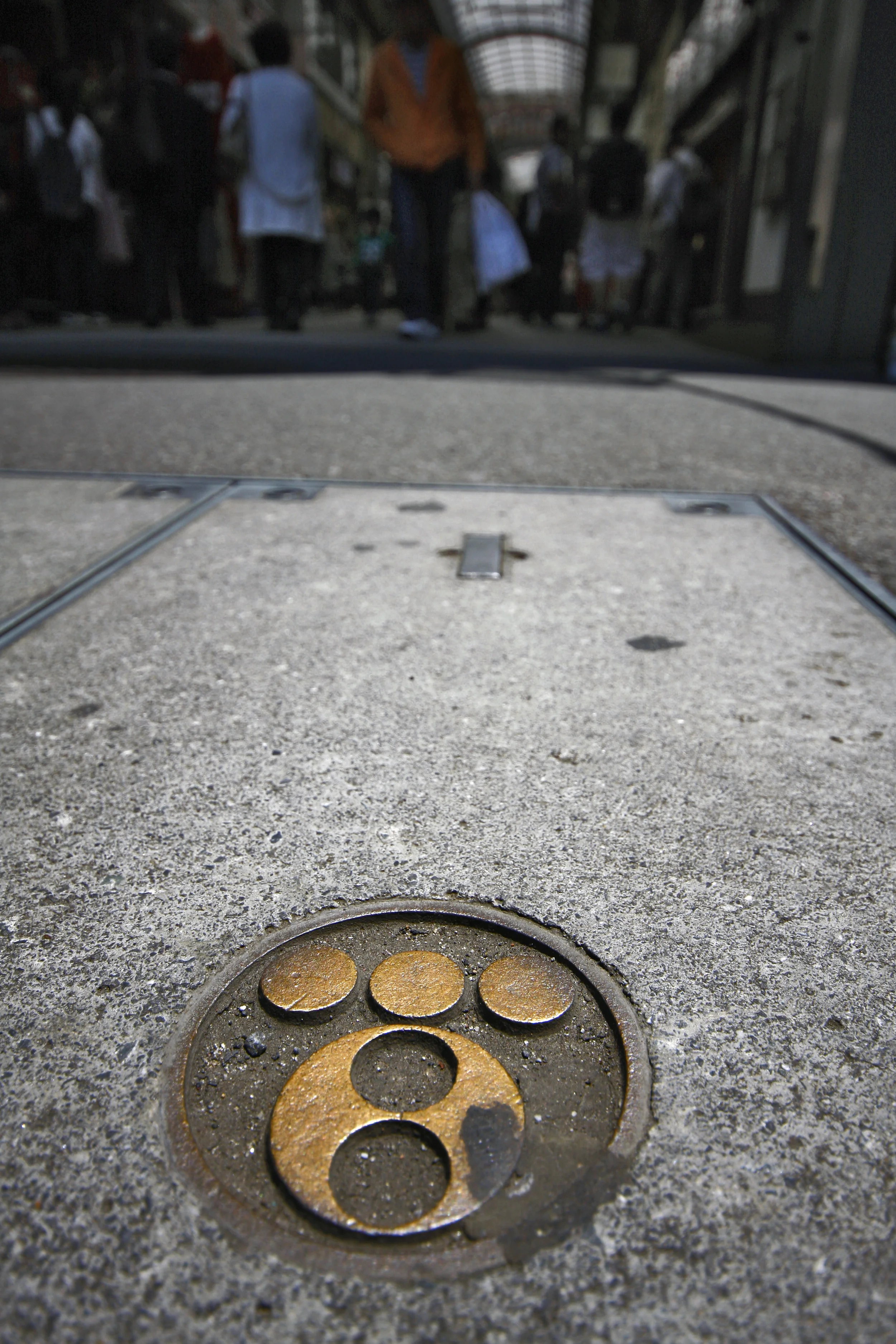
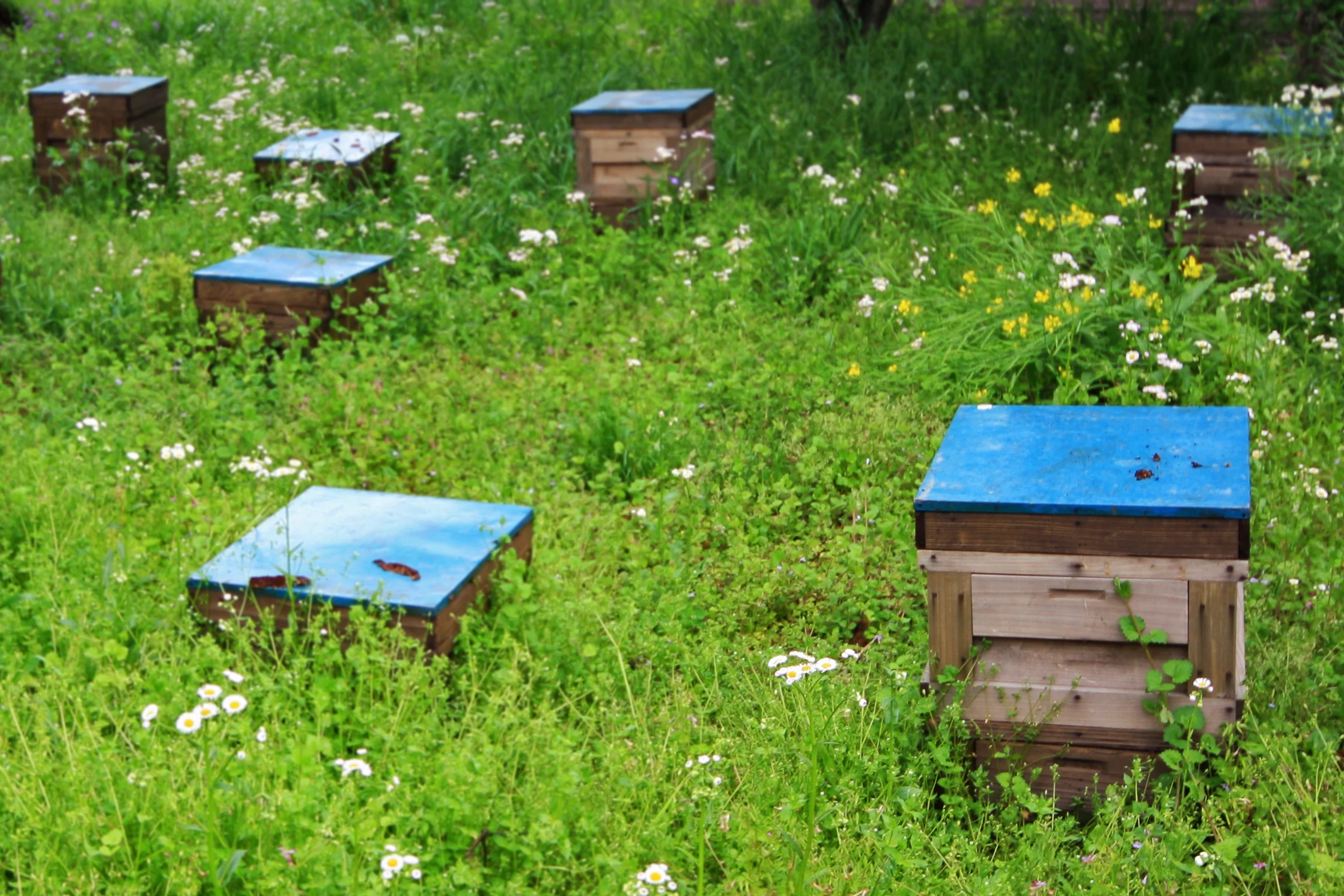
I saw a number of sites more expansively related to the Fukushima Dai-Ichi nuclear disaster, including TEPCO headquarters, Fukushima City, and nearby farms, markets, and restaurants. I witnessed a number of cultural phenomena that both enforced and created disjuncture with the post-3/11 narrative being conveyed in the U.S.
________________________________
[1] Nixon, Rob. Slow Violence and the Environmentalism of the Poor. Cambridge, Mass.: Harvard University Press, 2011.
http://www.hup.harvard.edu/catalog.php?isbn=9780674072343
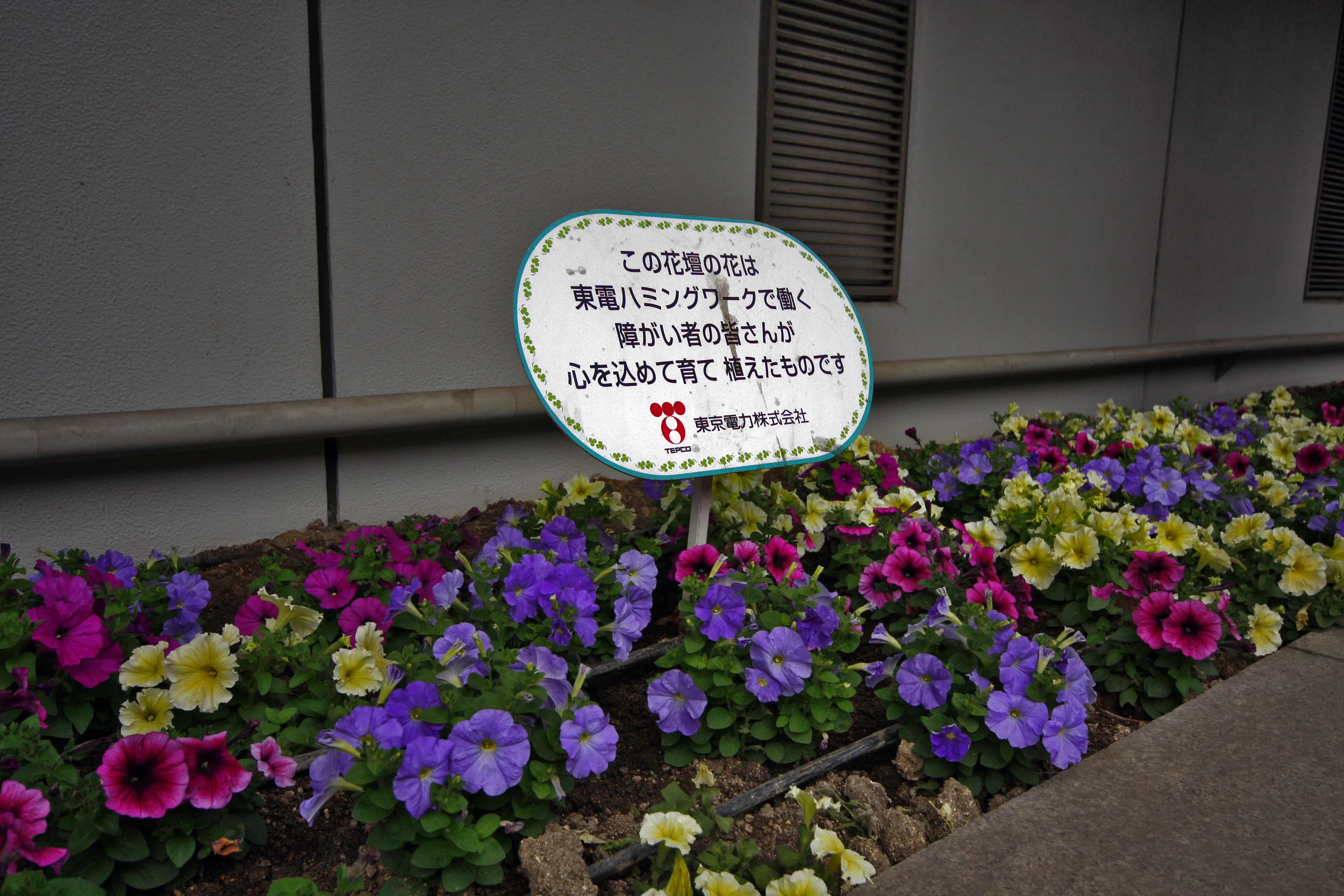
"この花壇の花は 東電ハミングワークで働く 障がい者の皆さんが 心を込めて育て 植えたものです"
Translation:
"These flowers were planted and grown by disabled people who work at TEPCO who hummed while they worked with ones' whole heart."