ECO ART PRACTICE
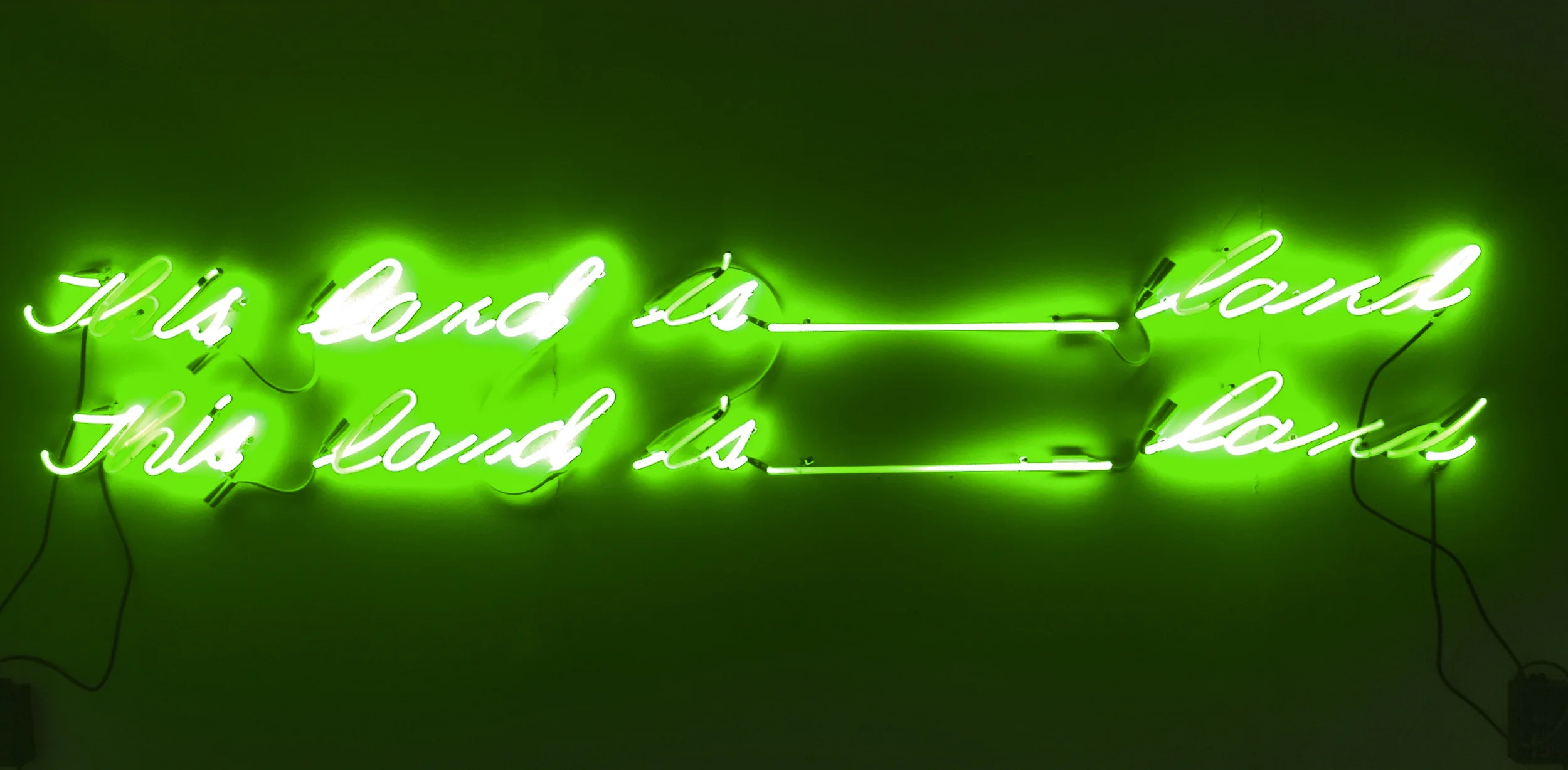
This Land Is _____ Land (For Woody), Green Neon Tubing, 160 × 50 cm, 2015.
My eco-art practice explores ecological relationships through site-specific research, material investigation, and direct engagement with people and place. Rather than approaching ecology as a discrete subject, I consider it as a way of understanding the complex relationships through which landscapes, organisms, materials, technologies, and human communities are continually produced and transformed.
Much of my work begins with a particular site and develops through sustained attention to its ecological, geological, social, and industrial conditions. Research becomes a means of tracing the relationships embedded within a place: how materials move through landscapes, how human activities alter ecological systems, how other species participate in these environments, and how histories of extraction, cultivation, settlement, labour, and care remain materially present. The resulting works have taken the form of installations, performances, exhibitions, biological experiments, and participatory projects.
Direct engagement with people is central to this practice. I frequently work with communities, scientists, farmers, beekeepers, craftspeople, industry, and other forms of situated expertise, treating knowledge as something generated through encounter rather than simply represented within an artwork. Participation allows ecological questions to be experienced at a human scale and positions the artwork as a space in which different forms of knowledge and experience can meet.
Across these projects, I have explored themes including interspecies relationships, biodiversity and ecological loss, resource extraction, material flows, food systems, agriculture, restoration, waste, and the increasingly complicated relationship between biological and technological systems. While the subjects and sites vary, the work is connected by an interest in making ecological complexity perceptible and creating situations in which people can reconsider their own position within the systems that sustain and transform the environments around them.
The Trees of St. George's Square
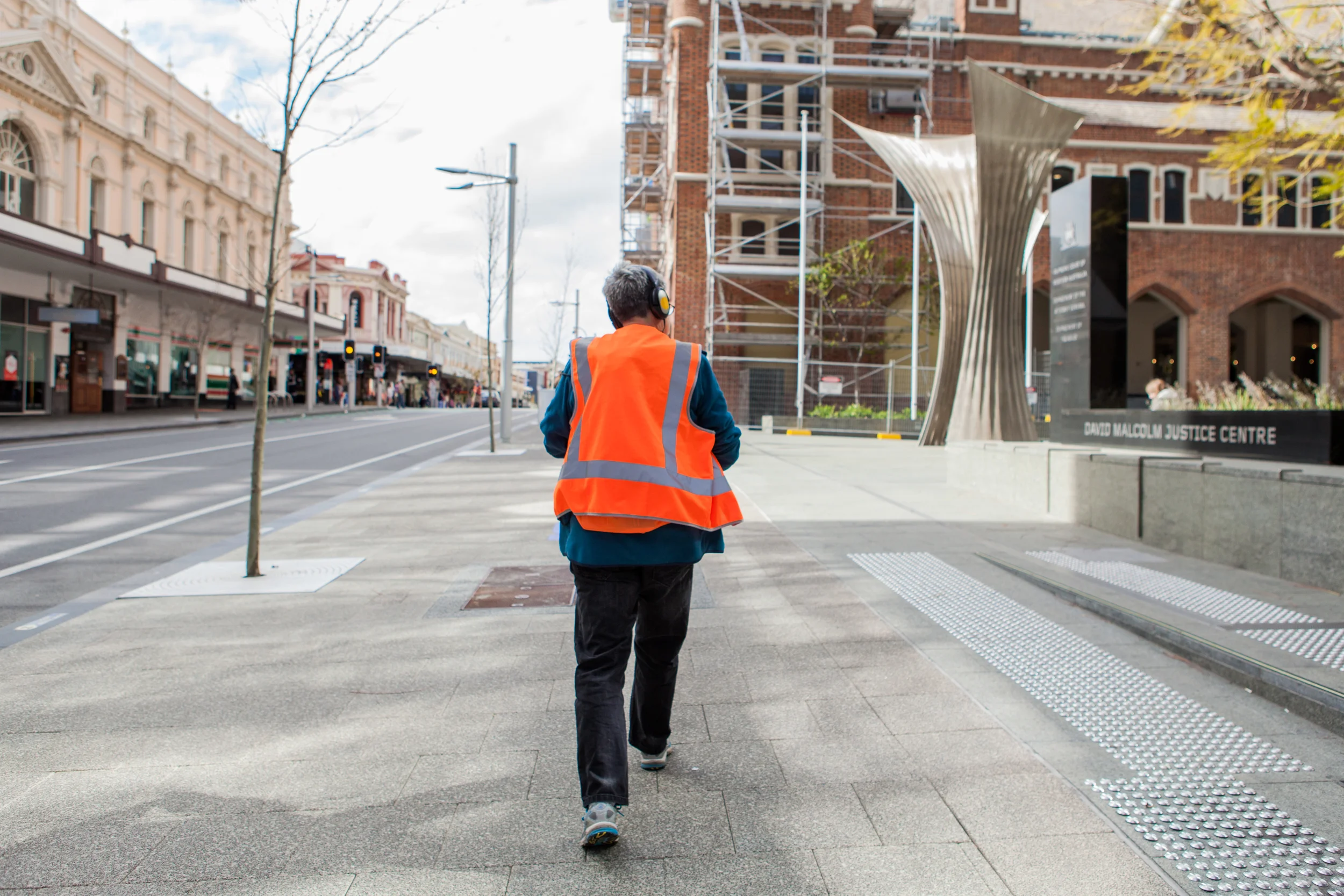
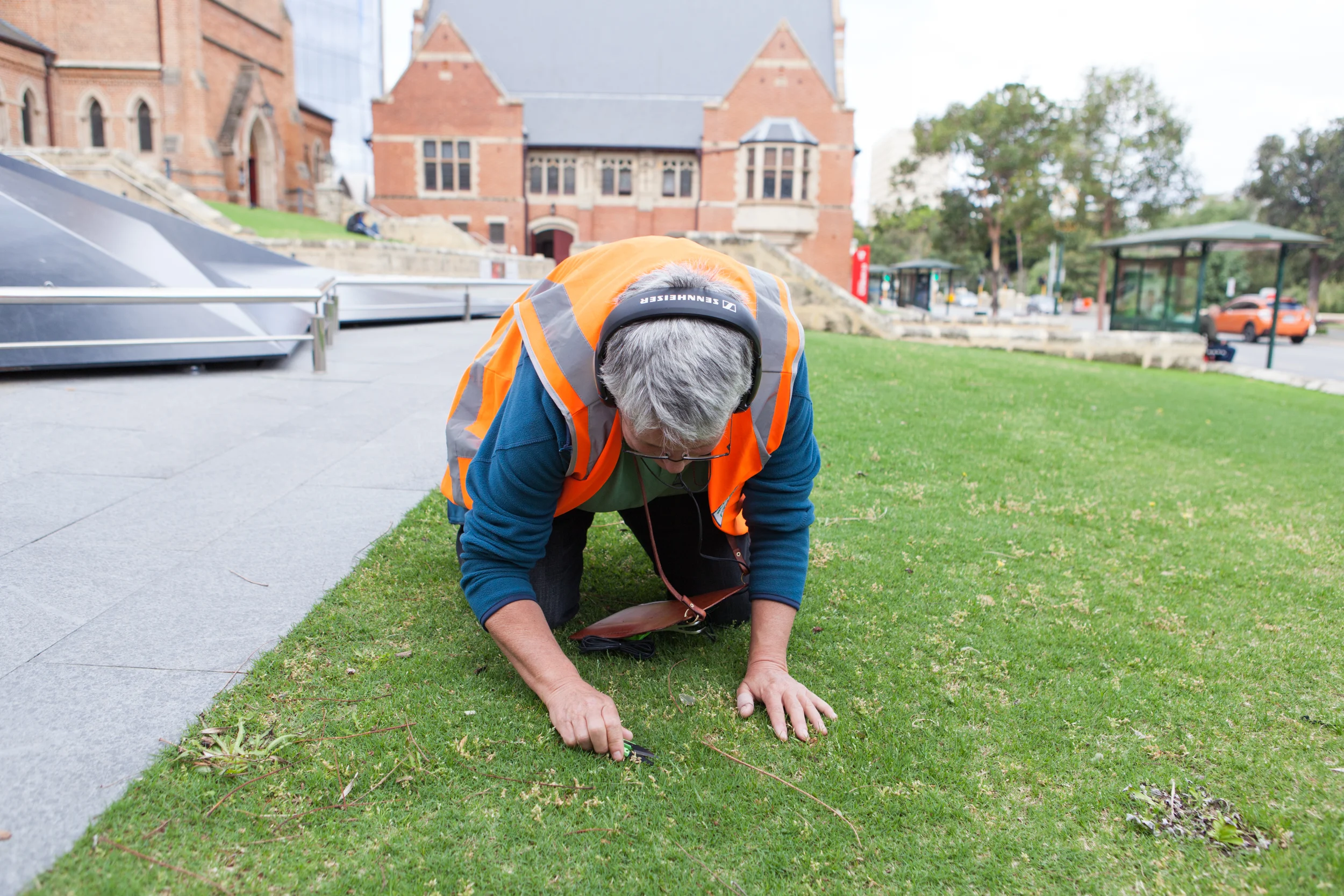
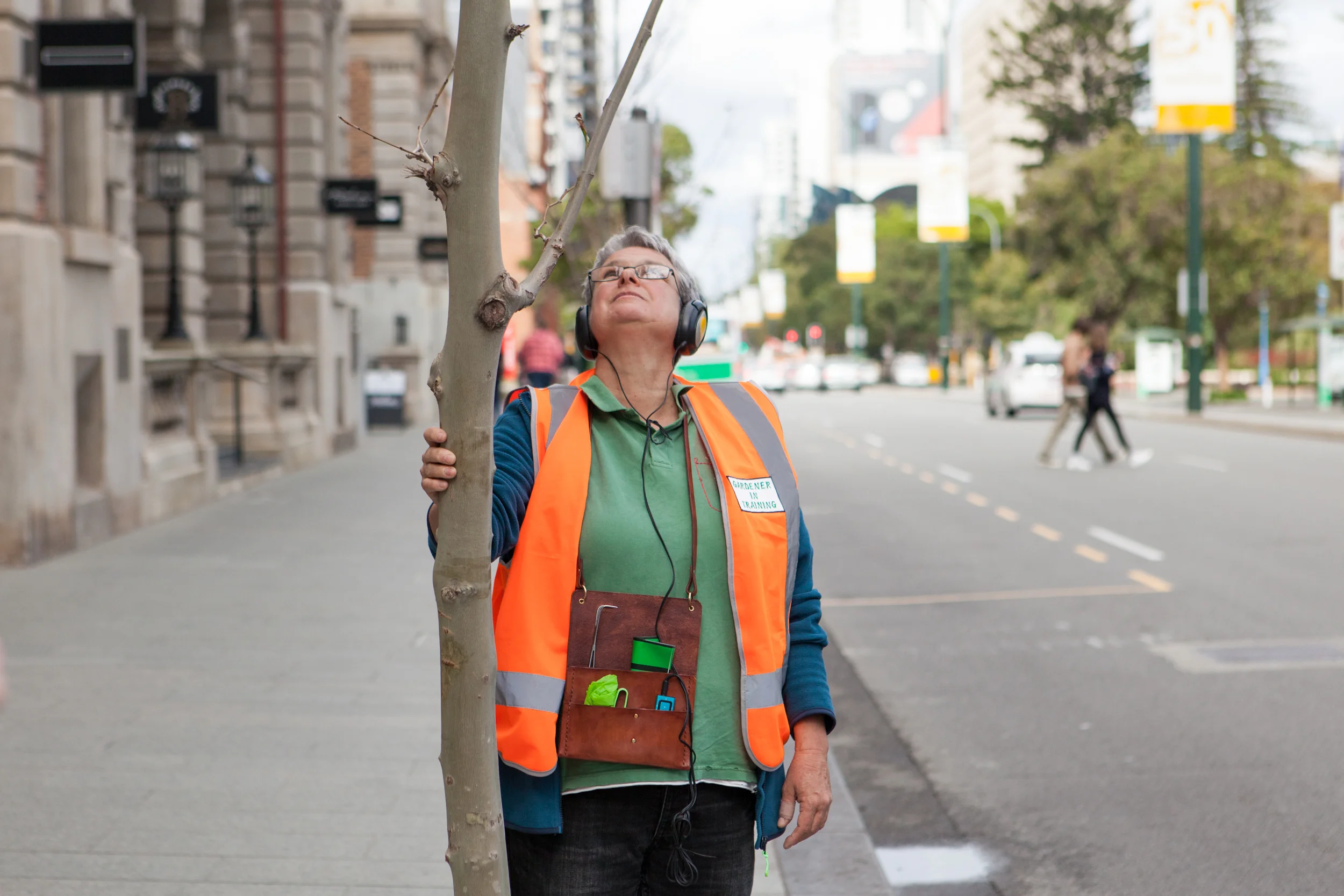
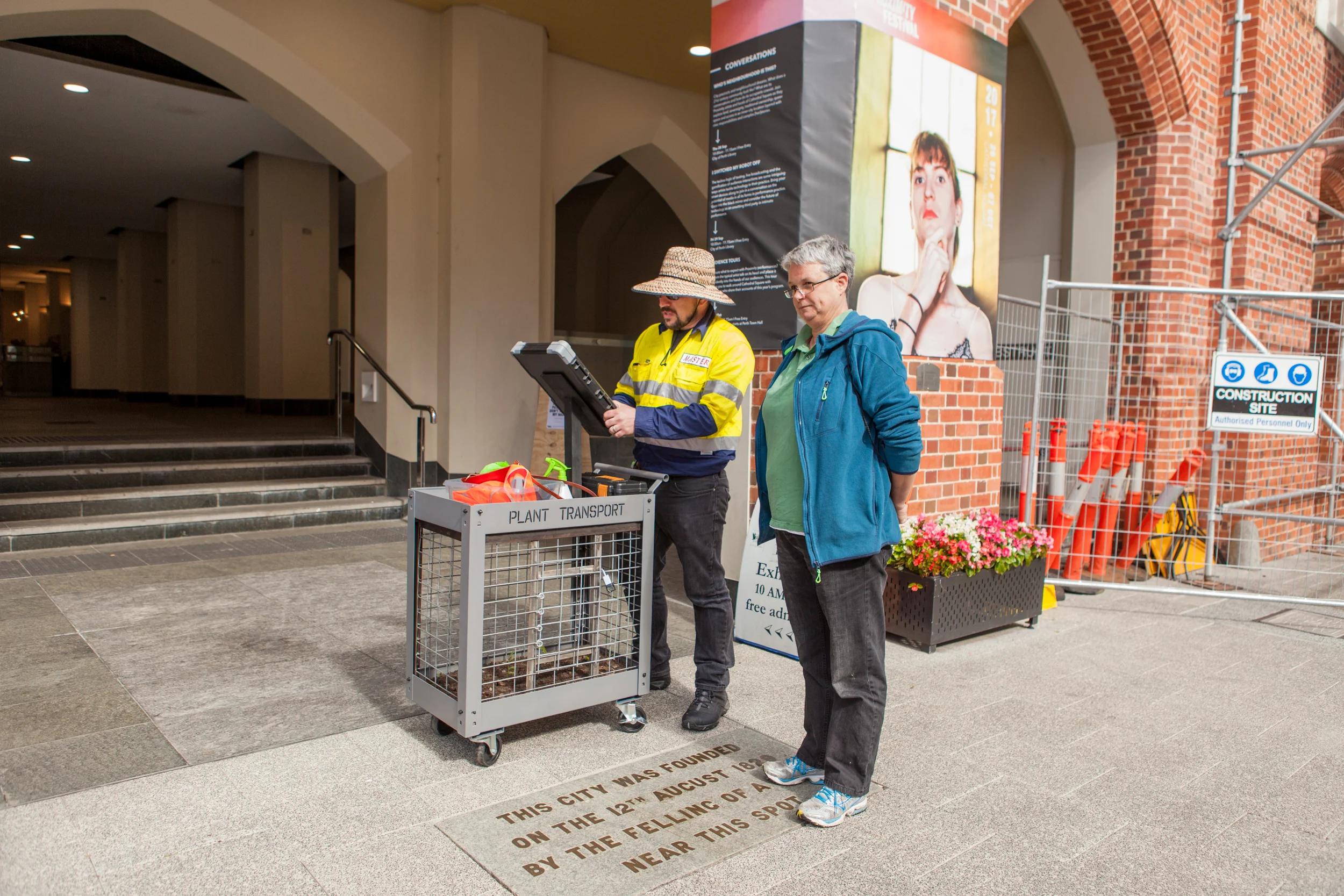
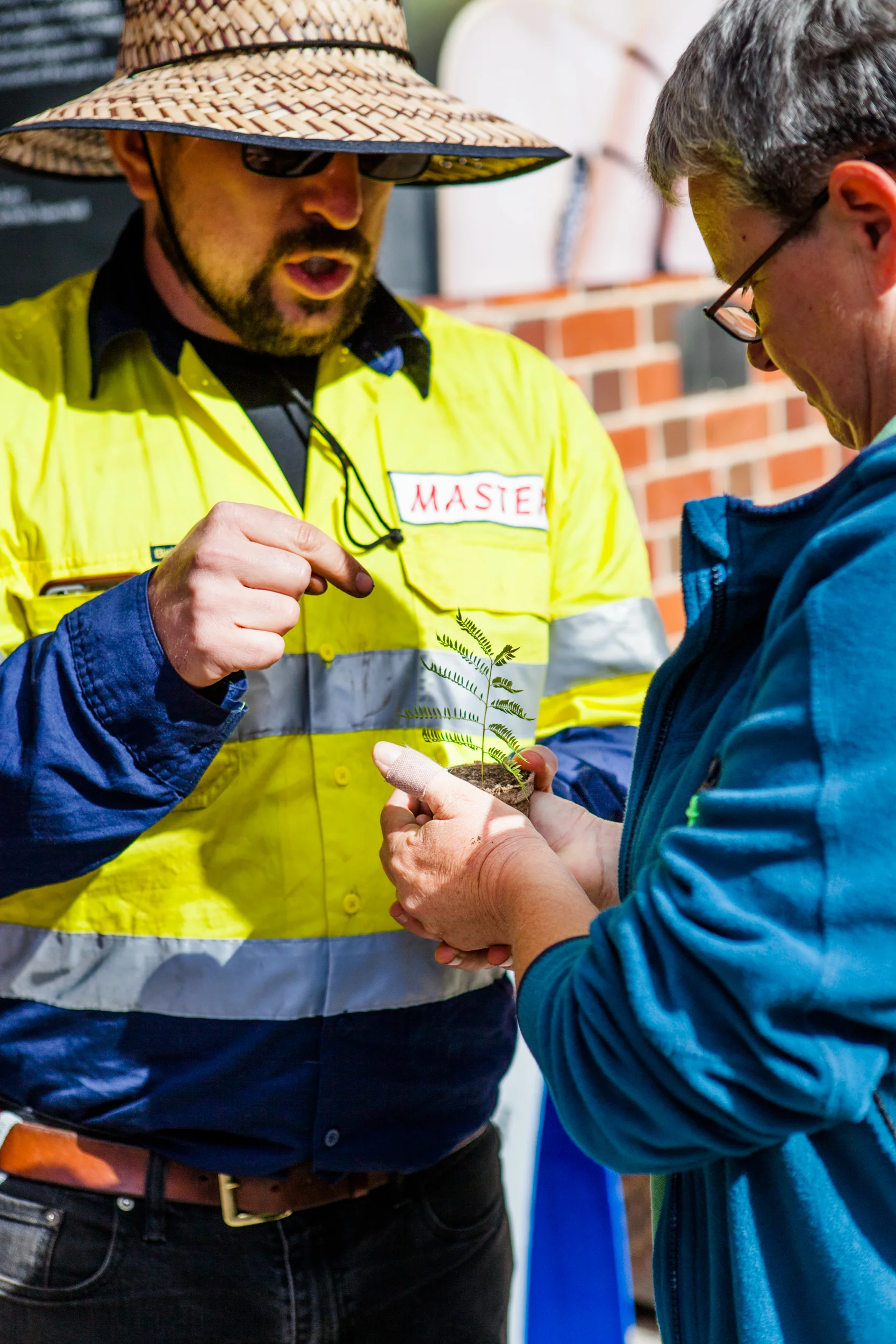
The Trees of St. George’s Square was a 20-minute performance situated at the base of the Supreme Court of Western Australia, commissioned by the Proximity Festival for their 2017 season. The work was performed over 100 times over the course of two weeks.
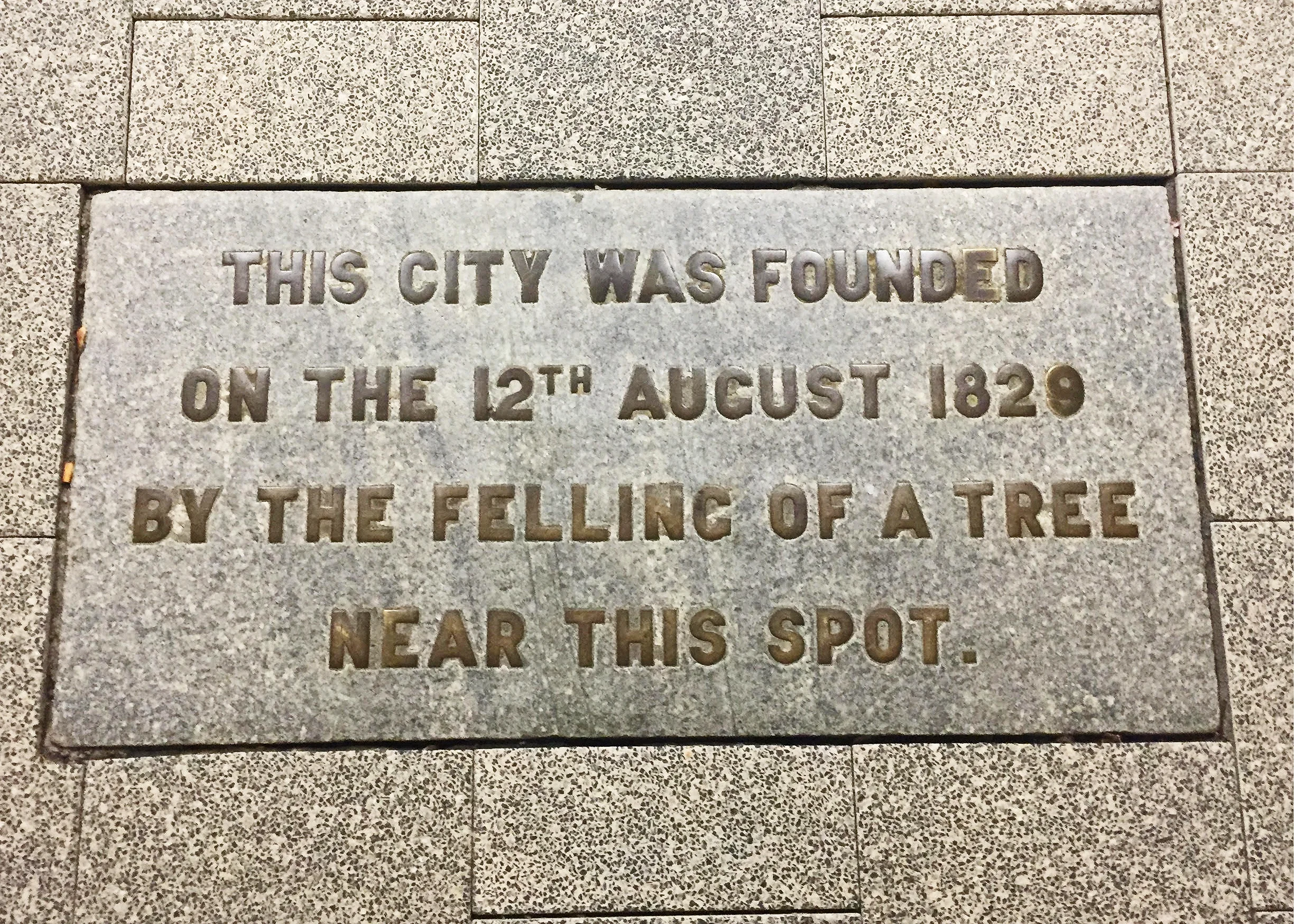
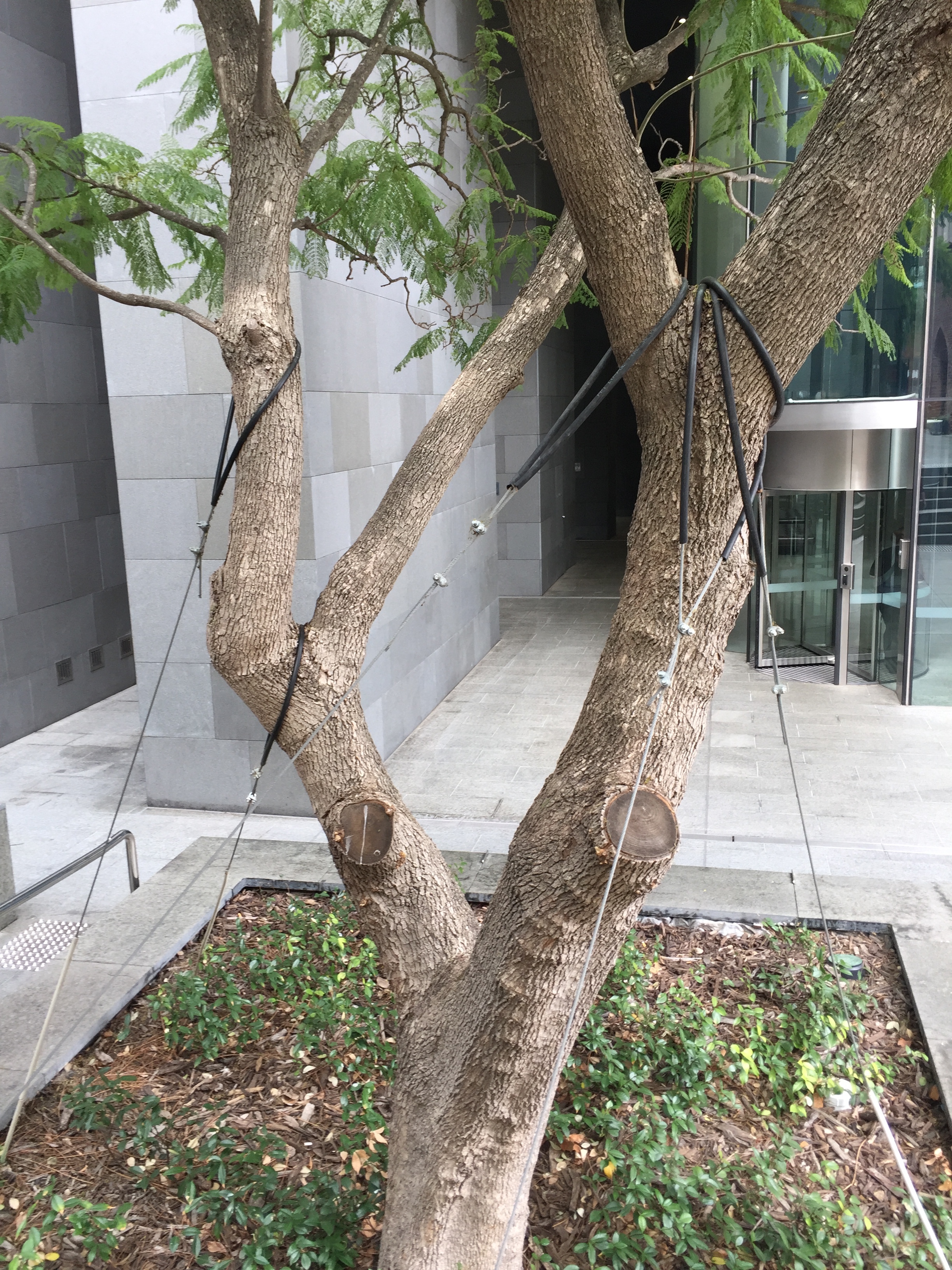
The work was initially inspired by the Jacaranda mimosifolia trees planted around the grounds of the court. The trees appeared to me to be in a state of ‘bondage’ as a result of being ‘cared’ for by a gardener. The work then took on additional layers of meaning once I discovered that the site is where the city of Perth was founded, an event marked by the felling of a native Sheoak tree.
The performance - part audio-guide / part one-on-one performance - takes participants through an extensive training induction designed to make them obedient to the ‘master gardener.’ Throughout the work participants learn of the various histories of plants on the site and how they have been historically manipulated and controlled for human desires. The work culminates with participants being put in a predicament where they must decide on the fate of either ‘weeding out’ or ‘planting’ a seedling grown from specimens collected from the site.