On Becoming A Human Honeybee
“Human beings have fabricated the illusion that in the 21st century they have the technological prowess to be independent of nature. Bees underline the reality that we are more, not less, dependent on nature’s services in a world of close to 7 billion people.”
— Achim Steiner, Executive Director, United Nations Environment Programme (UNEP)
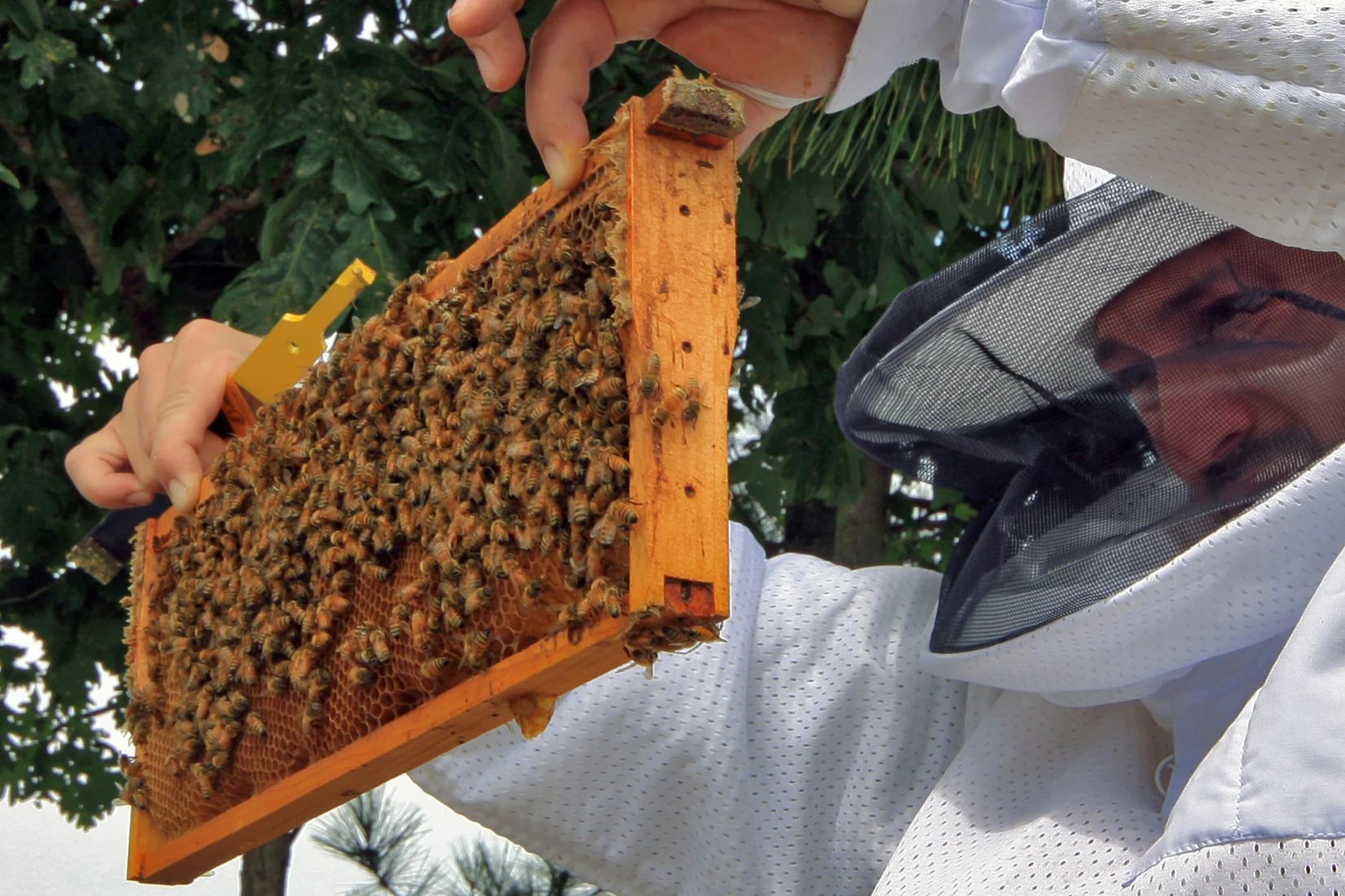
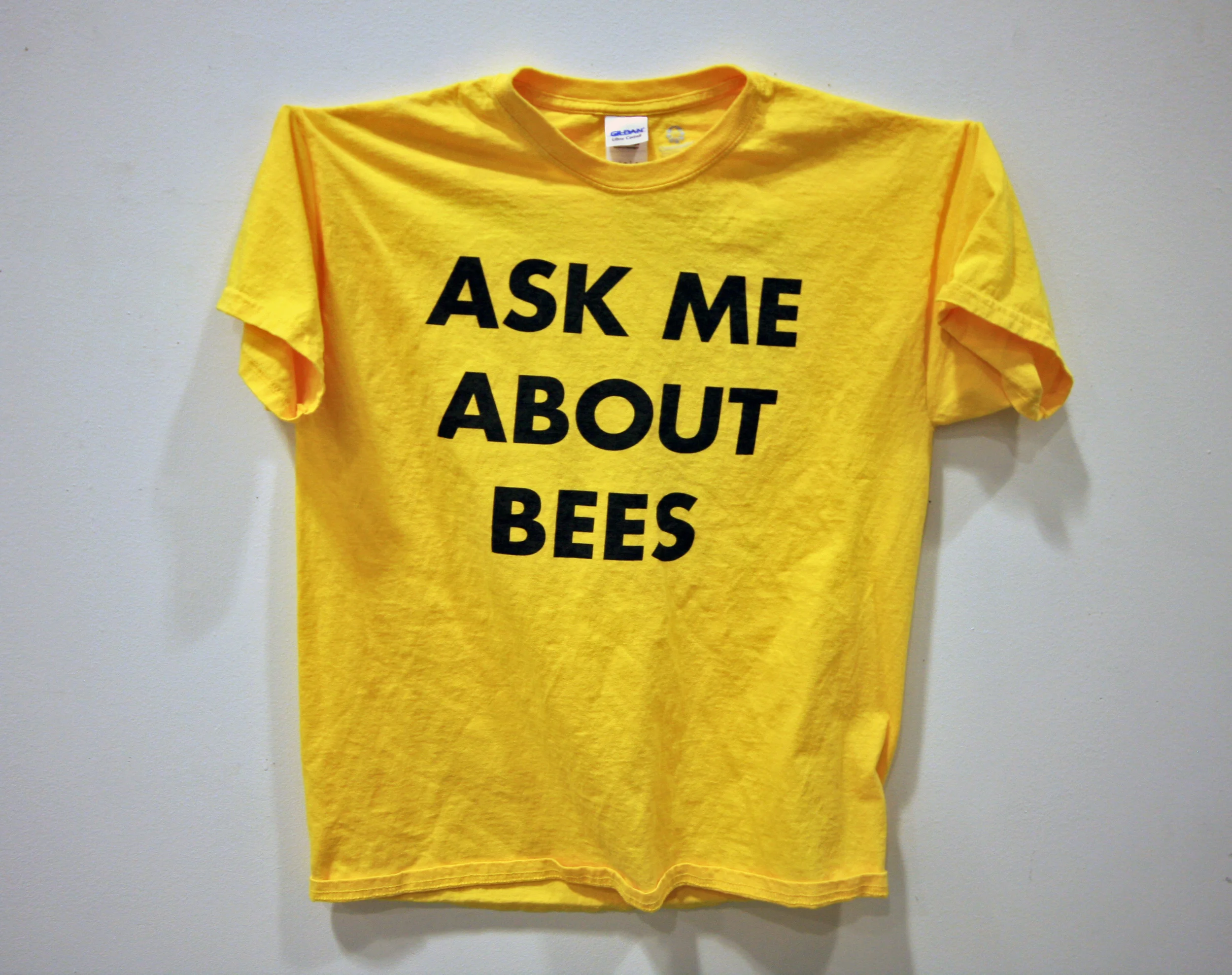
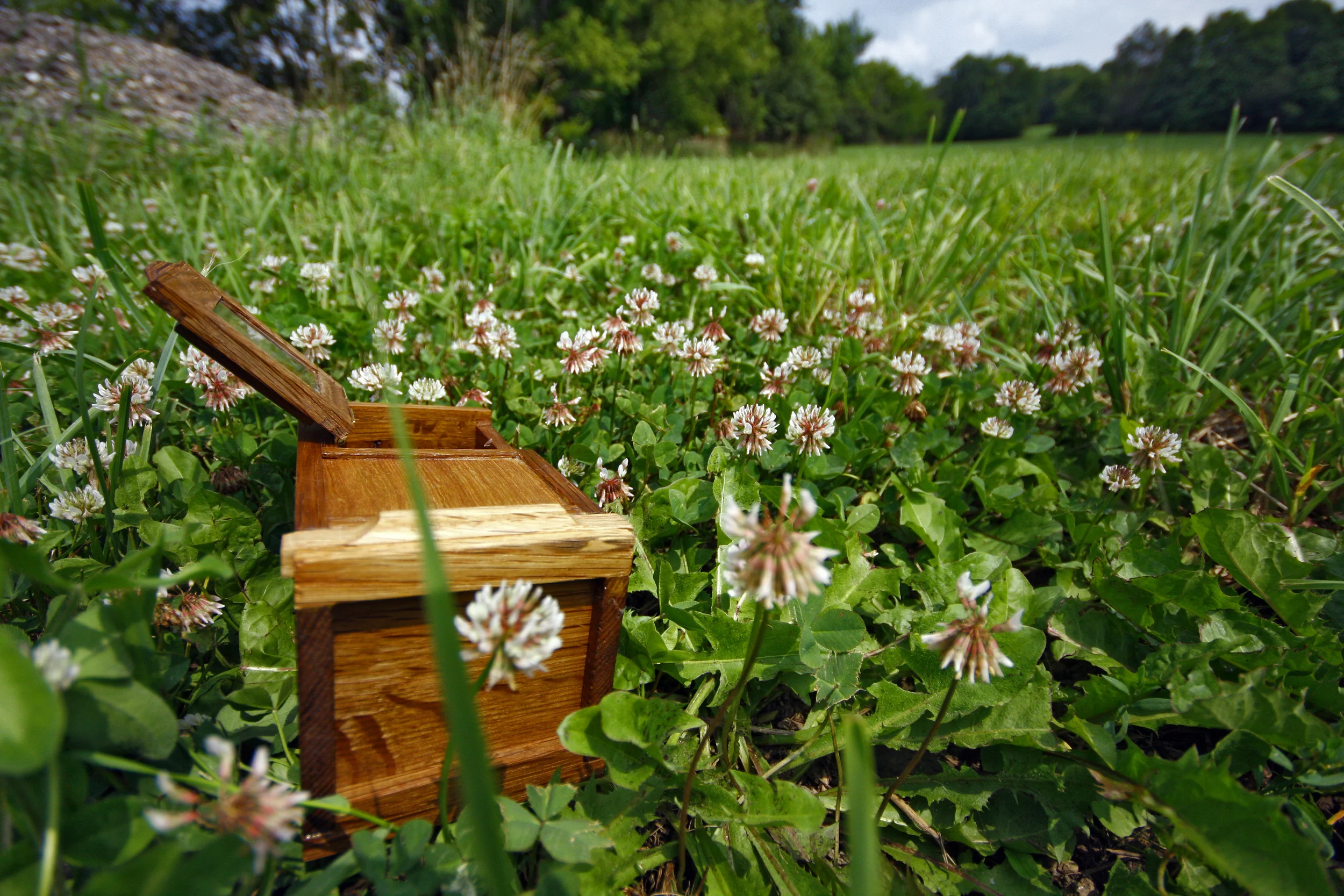
In response to global honeybee population declines, I developed a body of work and research examining honeybee behaviour, history, and the long relationship between honeybees and humankind. Through sustained engagement with beekeeping, I studied behaviours including nursing, feeding, guarding, swarming, and multisensory communication, considering the social organisation of the colony as both a subject of research and a framework through which to reconsider human relationships with honeybees.
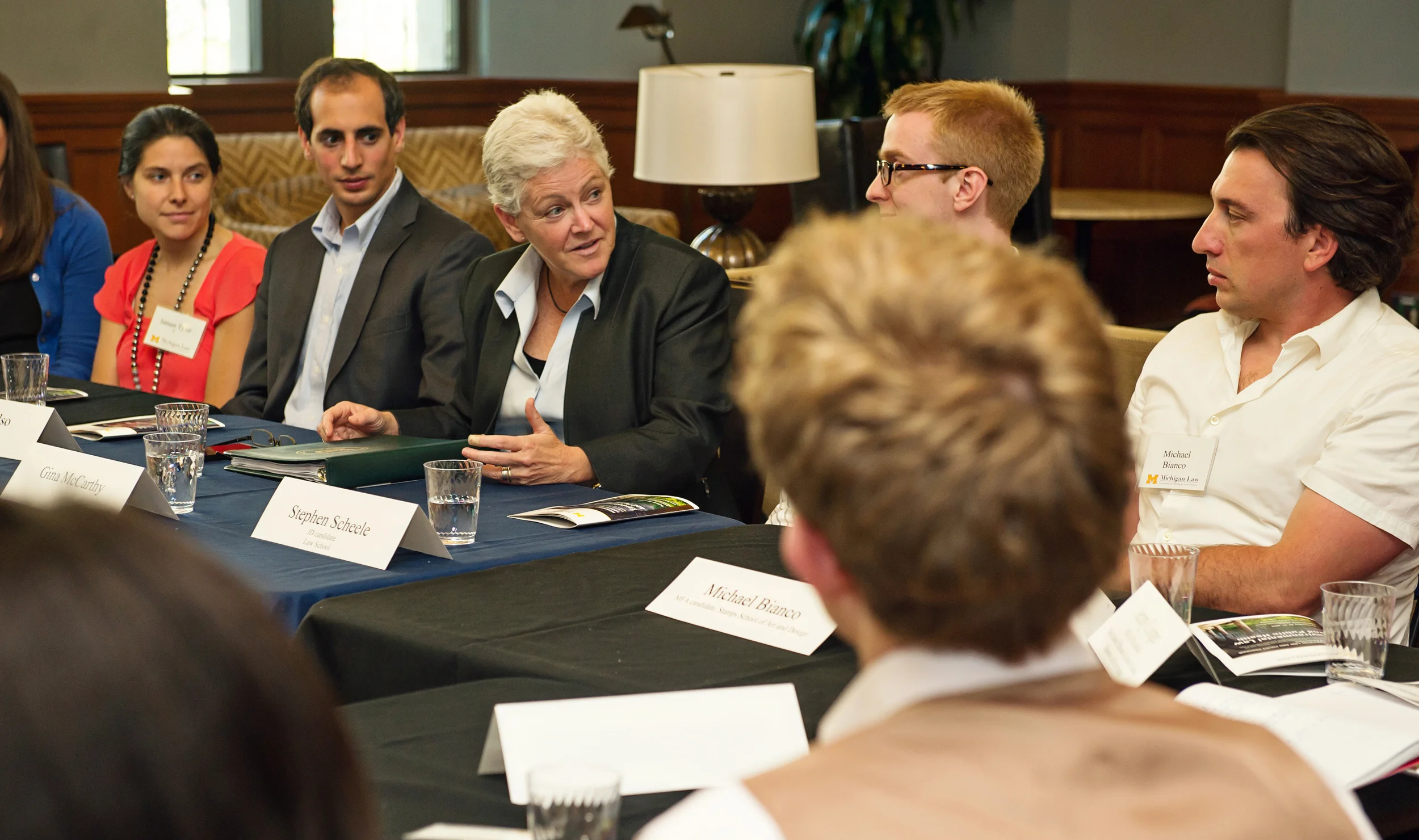
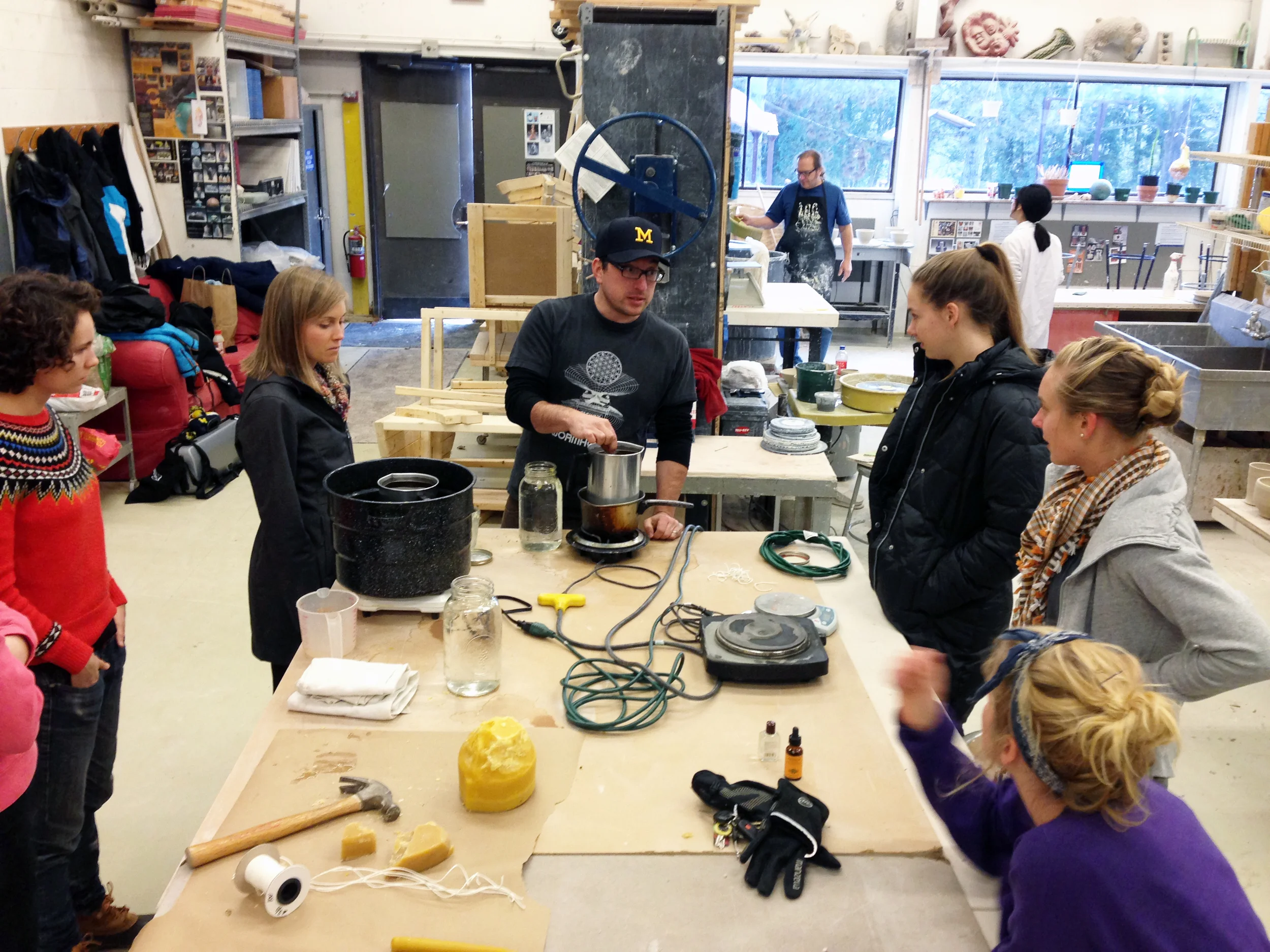
Under the broader project On Becoming a Human Honeybee, this research developed through performances, participatory works, demonstrations, activism, and direct engagement with beekeeping communities. Drawing upon the reproductive logic of the colony—particularly the process of swarming—the work explored how knowledge and practices might be transmitted between generations while reconnecting humans with honeybees as ancient symbiotic partners. This included research into honeybee population decline, the co-development of university beekeeping programs, engagement with historical and disappearing practices such as wild bee hunting and apitherapy, and experiments with multisensory forms of communication derived from honeybee behaviour. The work also operated as a form of direct environmental activism, bringing the research into dialogue with senior executives at pesticide corporations and the Director of the U.S. Environmental Protection Agency, and engaging institutions with regulatory and commercial influence over the conditions affecting honeybee health.
This sustained engagement with honeybees increasingly moved the research from behavioural observation, embodied practice, and environmental activism toward questions of biotechnology, cellular life, and the possible futures of human–honeybee relations. The work ultimately led to the development of The Aristeaus Project, which extended these questions into the laboratory through experiments with honeybee cells and interspecies hybridity. On Becoming a Human Honeybee was subsequently written about in Performance Research and featured in Thames & Hudson’s The Body in Contemporary Art.
The Aristeaus Project
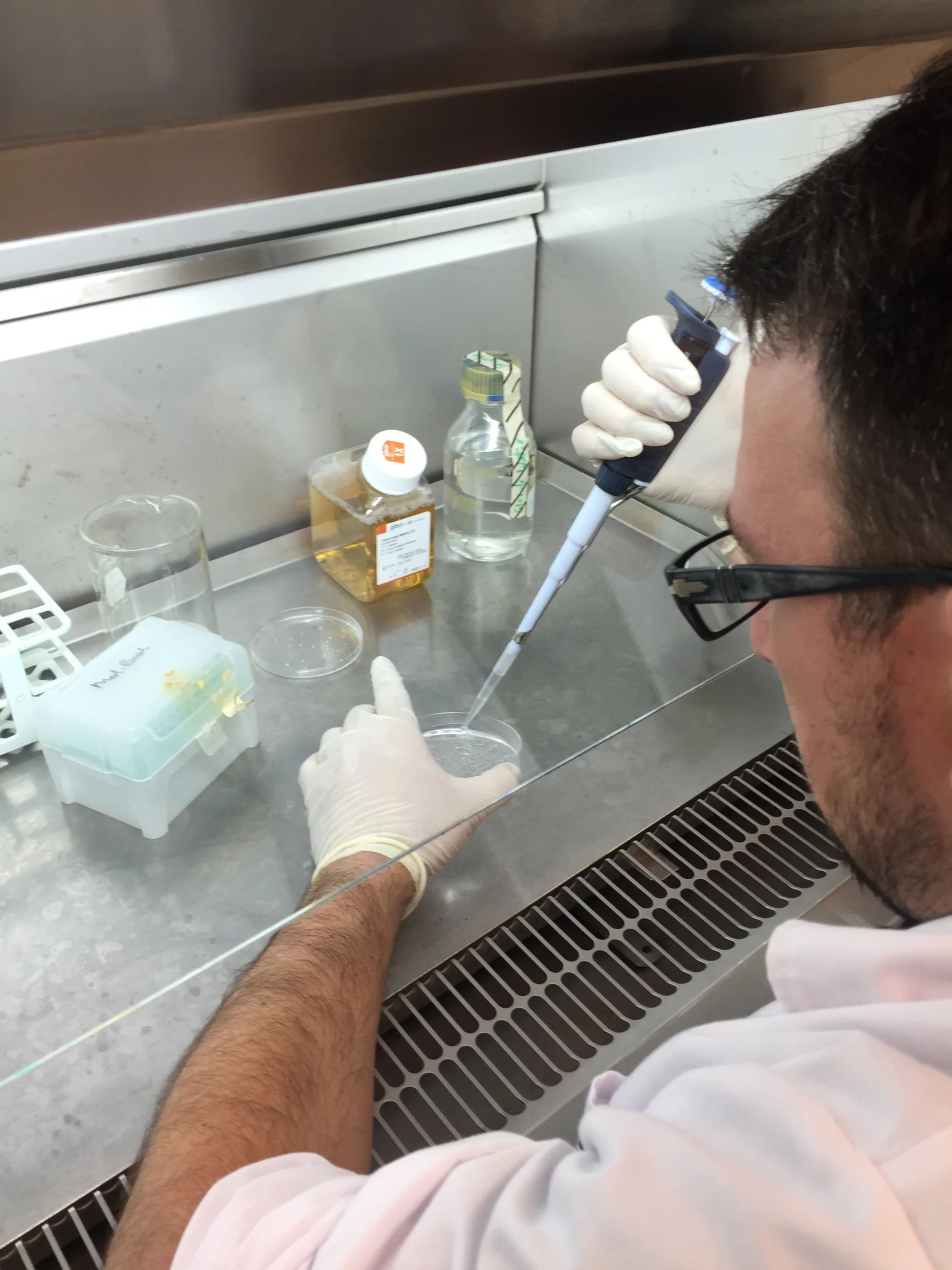
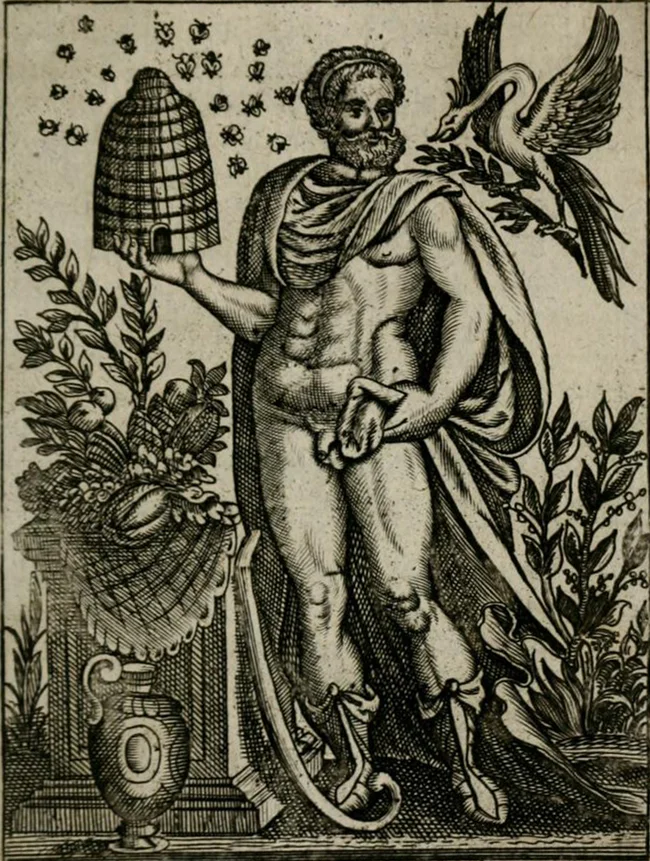
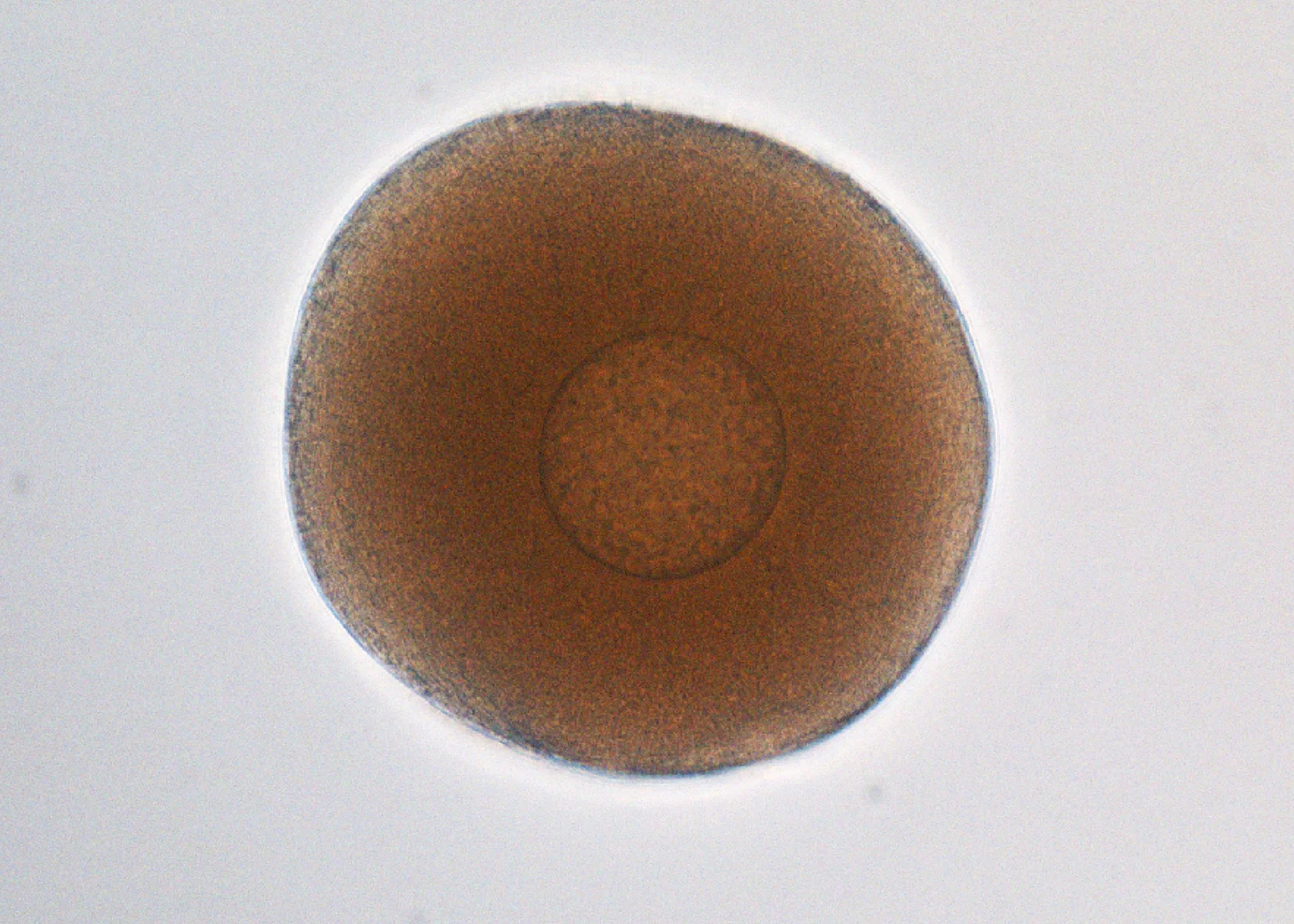
In response to the ongoing global honeybee crisis, I worked in the laboratory of SymbioticA at the University of Western Australia in an attempt to produce an immortal honeybee oenocyte cell line, with the ultimate objective of creating a hybrid cell combining honeybee cells with my own. The project was inspired by the pioneering work of Dr. Michael J. Goblirsch, who produced the world’s first continuous honeybee cell line, AmE-711, as well as by the myth of Aristaeus, the Greek god who restored his bees to life through the carcass of a bull. The Aristeaus Project sought to respond to the global honeybee crisis by asking what the future of beekeeping—and the interspecies relationships between humans and honeybees—might look like in a techno-scientific future. The work and its development at SymbioticA were featured in the ABC documentary series Biogenesis.